Part Four – Winter
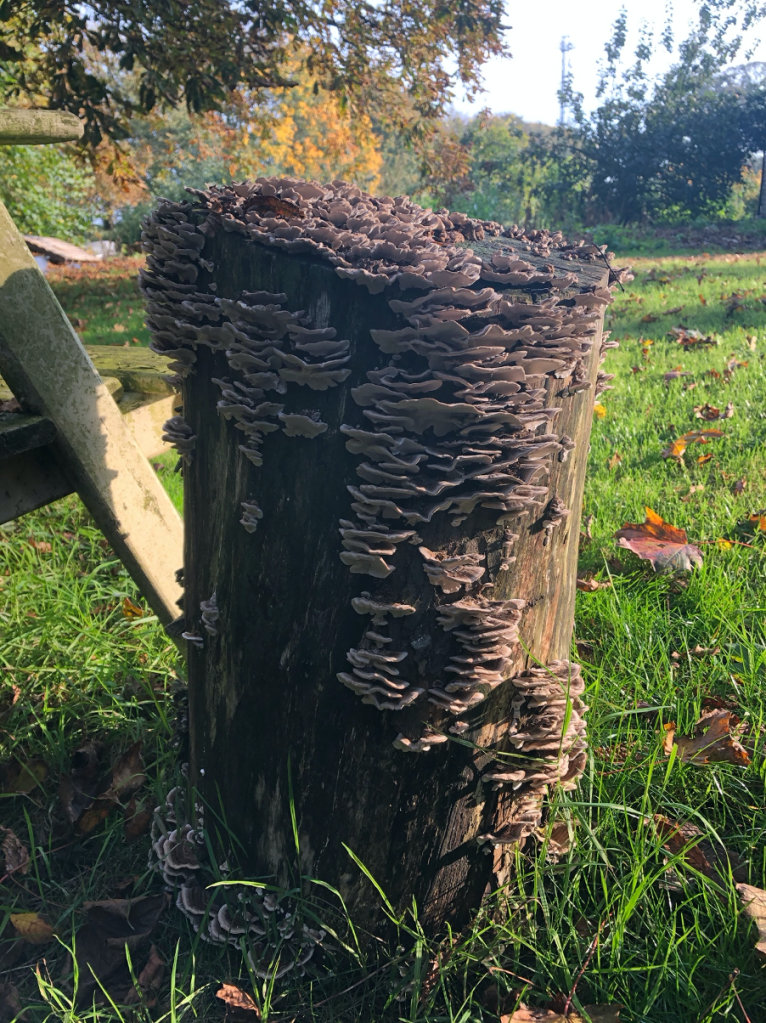
Apologies for starting off my look back at winter 2020 with something rotten, namely this old log, but we often have interesting fungus popping up in the grass on the back lawn which I believe it is mainly from spores that grow on decayed tree branches buried under the grass. I’m no expert but we do have a lot of mature trees surrounding the house and it’s almost certain that there are lots of branches and old stumps that have accumulated over the years but that are no longer visible on the surface. I must find out more about mycology one day so that I can identify them.
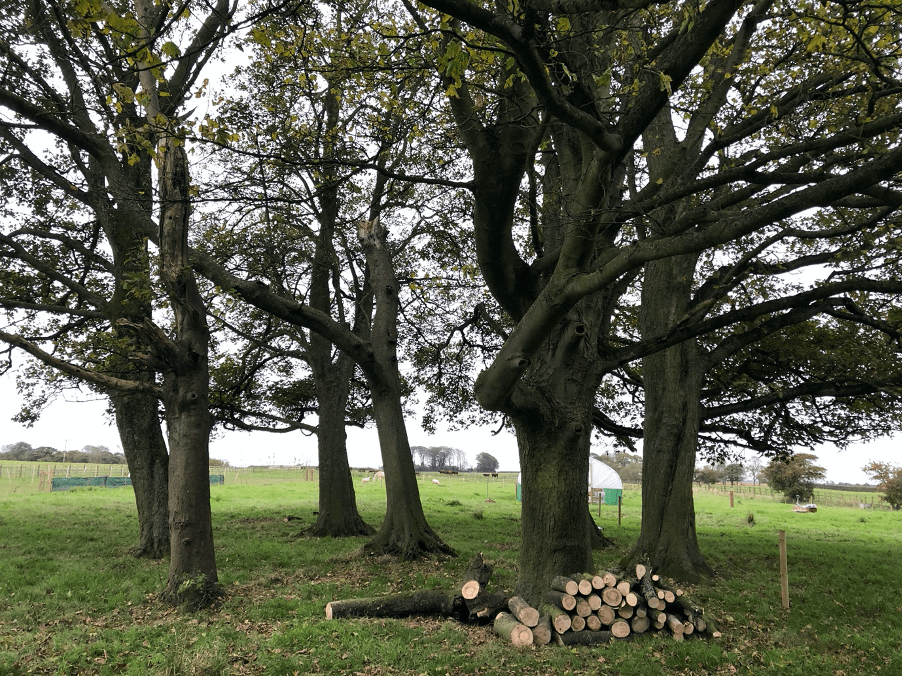
We have a lot of sycamores in the field and outer edges of the garden which look lovely, being the epitome of a child’s drawing of a tree with their lovely spreading branches and green grey trunks. They could potentially provide a lot of summer shade for our animals but, and it’s a big but, they are problematic in when it comes to animals. They are known to cause a severe and often fatal illness in horses called atypical myopathy. It’s an unpredictable illness that that only affects some horses grazing near some trees in some years. The leaves, seeds and seedlings can all cause the illness if ingested so we are understandably wary of allowing the horses (and sheep because we’re not sure if they might also be at risk) to graze anywhere near the seven sycamores in their field.

Sycamores are prone to rotting in the middle it would seem and we have two which are completely hollow. We periodically go out to tidy up the branches that we can reach to make logs for drying and so we can use them on the wood burner in a few years.
Another problem with sycamores is that they drop endless bits of themselves in every season bar deepest winter, although even then they are still keen to lose limbs in high winds. They shed numerous annoying seeds which all, annoyingly, seem to successfully germinate into tiny seedlings. Their leaves and flowers both exude sticky liquid, which is damaging to car roofs and the leaves, oh the leaves, never has a tree seemingly had so many leaves to shed! Large, sometimes covered in black spots (caused by a fungal disease in summer) they liberally cover the grass beneath in a veritable carpet of thick brown slime as they rot. All this is perfectly natural of course but not very desirable for humans who like to keep the place tidy! We have to clean out our gutters repeatedly or they become blocked within days once the sycamores begin shedding their leaves. Some of our gutters on the house are very high and cannot be reached easily so this is no-one’s favourite task.
Having impugned the poor sycamore’s reputation so comprehensively I feel I should provide some balance by mentioning that it does provide safe shade for cows as far as I know and its value to wildlife is great, providing pollen and nectar for bees from its flowers and seeds for birds. Its ability to attract aphids means that it provides plenty of food for their predators such as ladybirds and hoverflies as well as some species of wild birds. It’s tolerant of wind which is why it grows so well on this windy spot in the Wolds and its wood is good for furniture making and our very own ‘Wolds Made’ wood worker is always happy to be given pieces of sycamore for his woodworking projects.
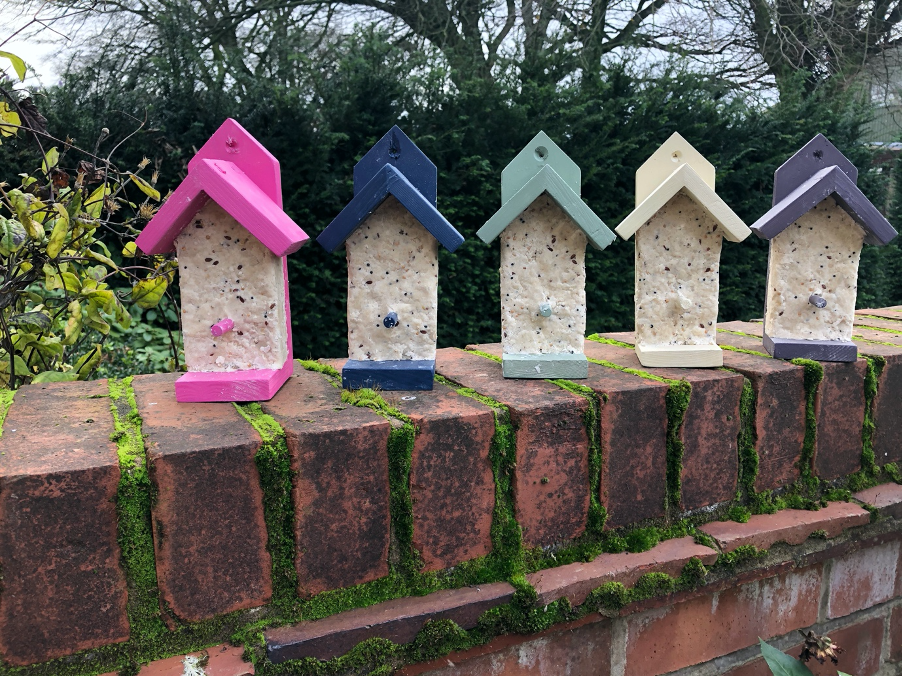
Finally, with the global pandemic showing no signs of abating, we decided we needed to diversify so we set up an online gift shop to sell countryside gifts. We designed and built ourselves a web site http://www.foxglovefarmcountrygifts.co.uk to showcase our products and those of our talented fellow makers. Here are a selection of last year’s Christmas gifts.


 Foxglove Farm